
CCSD School Board – District F
Robert Hutchinson
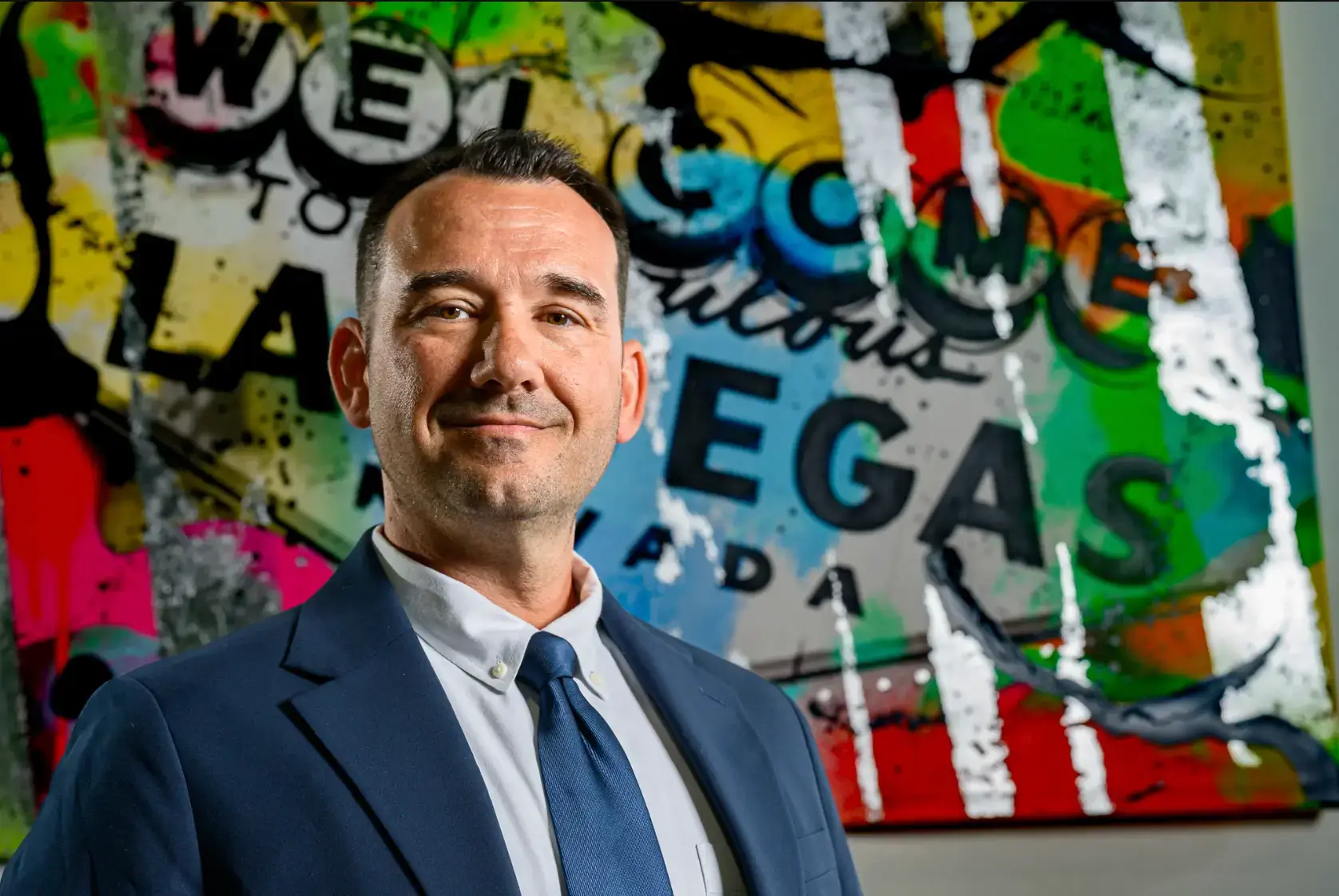
Q&A with Robert Hutchinson
Question:
Why are you running for School Board Trustee, and what does success in this role look like to you?
Answer:
I started as a frontline worker in this district and worked my way up to Director of Facilities, so I’ve seen CCSD from the ground level all the way to leadership. That perspective matters. I’ve been in our schools, worked alongside our staff, and seen where the system isn’t connecting for students and families. I’m running because I believe we can do better, by creating real pathways for students, whether that’s college, trades, or careers, and by making sure decisions are informed by the people closest to the work.
Success means students have clear opportunities after graduation, schools are safe and supported, and our community actually feels heard. It also means better communication and transparency, families shouldn’t feel in the dark about what’s happening in their schools. And it means bringing frontline voices into decision-making, not just talking about it. At the end of the day, success is when people can see and feel that the district is working for them again.
Question:
What experience do you bring to this role, and how would you use your position to support improved student outcomes? How do you define student success?
Answer:
I bring a combination of real, on-the-ground district experience and broader community leadership. I started as a frontline employee in CCSD and worked my way up to Director of Facilities, so I understand how decisions impact schools at every level. Outside the district, I’m also a business owner and a community advocate, especially around safe infrastructure. I’ve partnered with organizations like RTC, as well as county and state agencies, and I’ve served on multiple boards, committees, and state and county appointments. Those experiences have taught me how to bring people together, navigate complex systems, and actually get things done. I’ve also invested in my own leadership development through programs at Georgetown and Howard, which have strengthened how I lead, collaborate, and stay focused on outcomes. I would use all of that to make sure decisions are practical, informed, and centered on students, especially when it comes to creating real pathways, improving school environments, and making sure resources are aligned to student needs.
Success is when student outcomes improve in a meaningful way, graduation rates, attendance, and real post-graduation opportunities. It’s also when families and staff feel heard, communication is clear, and there’s transparency in decision-making. And from my lens, success includes safe, well-maintained schools, because students can’t learn effectively if their environment isn’t right. Ultimately, success is when the work at the board level is actually felt in the classroom and in the community.
Question:
If elected, how would you approach disagreements or criticism from fellow board members, district leadership, students, or the community? How would you ensure productive and student-centered decision making?
Answer:
Disagreement comes with leadership, and I don’t see it as a negative, I see it as an opportunity to get to better decisions. Throughout my career in CCSD, especially building and leading teams, I’ve had success bringing people with different perspectives together and keeping everyone focused on the goal.
My approach is to listen first, seek to understand where people are coming from, and keep the conversation grounded in what’s best for students, not personal agendas or politics. I’ve found that when people feel heard, it’s much easier to move toward solutions. I also believe in clear communication and transparency, especially with the community. Even when people disagree, they deserve to understand how and why decisions are being made. At the end of the day, I would ensure decisions stay student-centered by always coming back to outcomes, asking, “How does this improve student learning, safety, or opportunity?” If it doesn’t, then we need to rethink it. My experience building strong, collaborative teams has shown me that you can disagree, move forward, and still deliver results, as long as you stay focused on the mission.
Question:
Nevada’s school districts are experiencing declining enrollment, which directly impacts funding. How should the district adapt its use of resources, including staffing, facilities, and programs, to remain financially sustainable while still improving student outcomes?
Answer:
Declining enrollment is a reality, but it also forces us to be more intentional and smarter with how we use our resources. From my experience in CCSD, especially on the facilities side, we have to right-size our footprint. That means taking a hard look at how we’re utilizing school buildings, reducing inefficiencies, and reinvesting those savings directly into classrooms and student support. At the same time, this isn’t just about cutting, it’s about aligning resources to what students actually need. That includes strengthening programs that attract and retain families, like career and technical pathways, specialized programs, and partnerships that connect students to real opportunities after graduation.
On staffing, we need to be thoughtful and strategic, prioritizing positions that directly impact student learning and support, while also making sure we’re supporting and retaining high-quality educators. I also believe this is where strong partnerships matter. I’ve worked with local and state agencies, and there are opportunities to collaborate and maximize resources rather than working in silos. We have to operate more efficiently, invest more intentionally, and stay focused on programs and environments that drive student success. If we do that well, we not only stay financially sustainable, we become a district families choose to stay in, or a destination district.
Question:
Given persistent gaps in academic achievement across student populations, what strategies should the district prioritize to ensure more students are on track to be college and career ready?
Answer:
First, we have to be honest that closing achievement gaps starts with meeting students where they are and making sure resources are reaching the students and schools that need them most. That means prioritizing early literacy and foundational skills, because if students fall behind early, it’s hard to catch up later. It also means using data in a more intentional way, not just collecting it, but actually acting on it to provide targeted support and interventions. We also need to expand real pathways for students. Not every student’s path is the same, so whether it’s college, trades, or career certifications, we should be giving students meaningful options and exposure early on. That’s how we keep them engaged and on track.
From my experience, environment matters too. Safe, well-maintained schools and strong support staff directly impact student performance, especially in underserved communities. And finally, this has to include stronger communication and partnership with families and the community. When families are informed and engaged, student outcomes improve. We close gaps by being intentional, targeting resources, expanding pathways, supporting the whole student, and making sure every decision is focused on helping students succeed beyond graduation.
Question:
What distinguishes you from other candidates in this race, and what else should voters know about how you would serve as a School Board Trustee?
Answer:
What sets me apart is that I bring both deep, inside experience and a strong, proven connection to the community. I started as a frontline employee in CCSD over 28 years ago, and worked my way up to Director of Facilities, so I understand the system, the policies, and how decisions actually play out in schools. I would be the only candidate, and board member, bringing that level of day-to-day operational knowledge to the role. At the same time, I’m a business owner and a community advocate who has built real partnerships with local and state agencies. I’ve worked alongside organizations, served on boards and committees, and been part of projects that required collaboration, accountability, and results. That perspective matters because the district doesn’t operate in a vacuum, it has to work with the broader community. I’m also someone who is already trusted by many of the staff within CCSD because I’ve worked alongside them. I understand their challenges, and I know how to bring their voices into decision-making in a meaningful way.
I would be a trustee who is present, informed, and focused on outcomes. I won’t need a learning curve to understand how the district operates, I’ll be ready to lead from day one. I’ll prioritize transparency, communication, and making sure decisions are grounded in what’s best for students, not politics. And I’ll use my experience building teams and partnerships to help move the district forward in a collaborative, solutions-focused way. At the end of the day, I’m not stepping into this role to figure it out, I’m stepping in ready to do the work and deliver results for students, staff, and families.
