
CCSD School Board – District F
Irene Bustamante Adams
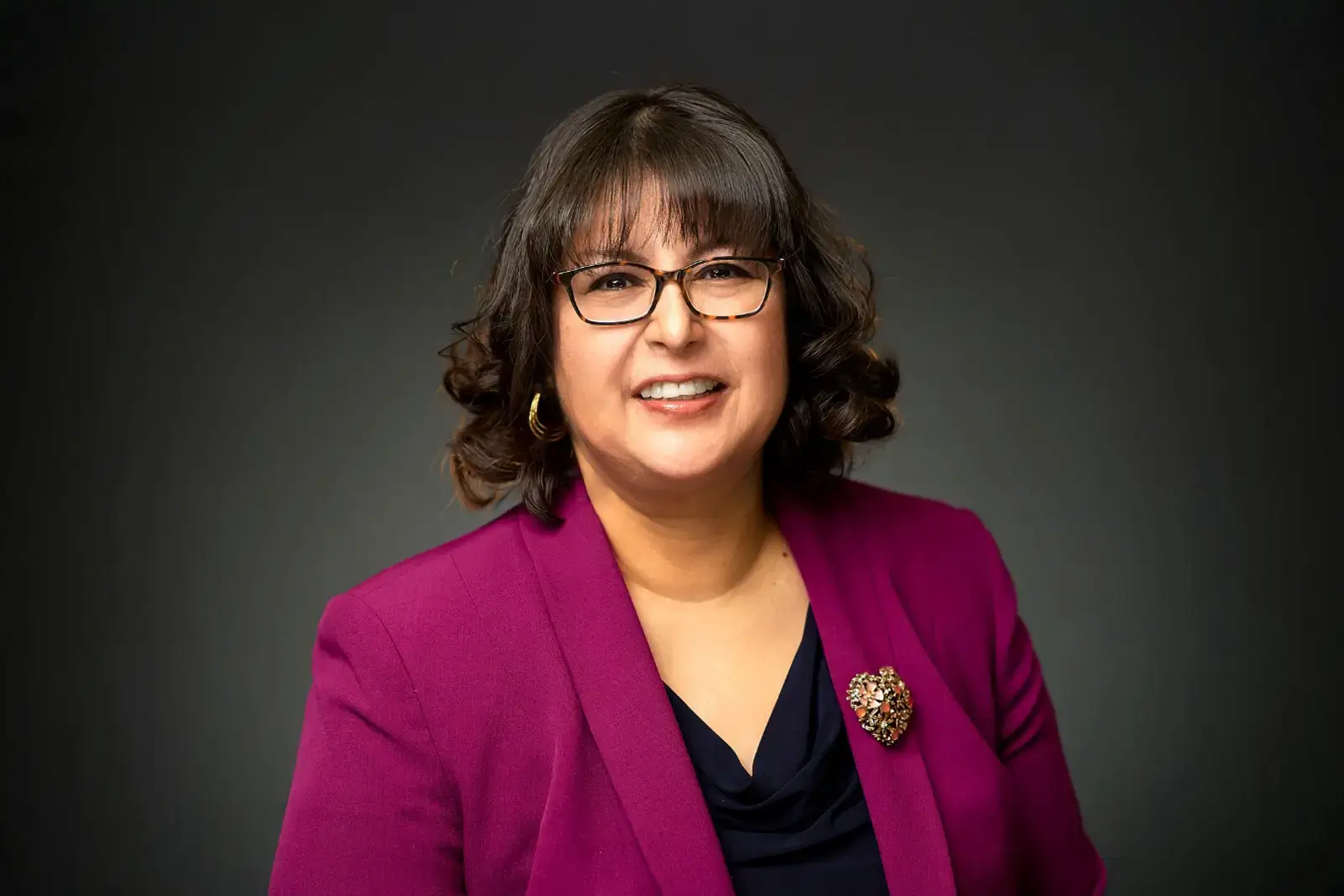
Q&A with Irene Bustamante Adams
Question:
Why are you running for School Board Trustee, and what does success in this role look like to you?
Answer:
I am running for reelection because I believe deeply in public service and in the responsibility we have to serve our students, families, and community with integrity. It is an honor to serve, and I am grateful for the trust placed in me.
As a first-generation college graduate, a mother, and now a grandmother, education has changed the trajectory of my life and my family’s future. I want every student in Clark County to have that same opportunity no matter what their background or zip code.
To me, success in this role means staying focused on student outcomes. It means ensuring our schools are safe, our teachers are supported, and our systems are accountable and transparent. It also means listening to our families, educators, and community, and making decisions that reflect their needs.
I measure success by whether more students are reading at grade level, graduating prepared for college or a career, and believing in their own potential. If we are opening doors and creating real opportunities for our students, then we are doing our job.
Question:
What experience do you bring to this role, and how would you use your position to support improved student outcomes? How do you define student success?
Answer:
I bring a combination of experience in public service, workforce development, and education governance. I have served as a state legislator, worked in the private sector, was former CCSD School Board President and now serve as President of the Nevada Association of School Boards. In my current role as Deputy Director and Chief Strategy Officer for Workforce Connections, I focus every day on aligning education, workforce and economic development so people can access real opportunity.
I use this experience to stay focused on outcomes, not just intentions. That means asking hard questions about how decisions impact student learning, supporting policies that strengthen instruction, and ensuring accountability at every level of the system. It also means building stronger connections between our schools and career pathways, so students graduate with clear options and a plan for their future.
To me, student success is not one-size-fits-all. It means students are reading and doing math at grade level, graduating on time, and leaving our system prepared whether that is for college, a career, or both. Just as important, student success means they feel safe, supported, and believe in their ability to succeed.
Question:
If elected, how would you approach disagreements or criticism from fellow board members, district leadership, students, or the community? How would you ensure productive and student-centered decision making?
Answer:
In public service, disagreement is inevitable but how we handle it matters. I have demonstrated throughout my career that it is possible to build bridges, maintain decorum, and move work forward even when there are differing perspectives.
I approach disagreements by listening first and seeking to understand before responding. Whether it is fellow board members, district leadership, students, or community members, I believe every voice deserves to be heard and respected. At the same time, I stay grounded in facts, data, and what is in the best interest of students.
Productive, student-centered decision making requires discipline. It means keeping the focus on outcomes, not personalities, and being willing to ask tough questions while remaining solution oriented. It also means being transparent with the community about how and why decisions are made.
My goal is not to avoid disagreement, but to ensure it leads to better decisions. When we create a culture of respect, accountability, and shared purpose, we can move past differences and stay focused on what matters most.
Question:
Nevada’s school districts are experiencing declining enrollment, which directly impacts funding. How should the district adapt its use of resources, including staffing, facilities, and programs, to remain financially sustainable while still improving student outcomes?
Answer:
Declining enrollment is not unique to Clark County it is happening across the country. That means we must be thoughtful, proactive, and strategic in how we adapt.
Through CCSD’s Facilities Master Plan, we are taking a comprehensive approach that looks at how we use our buildings, staffing, and resources in a way that reflects current and future student needs. This includes evaluating underutilized campuses, exploring consolidation where appropriate, and reimagining how spaces can better support learning and community use.
At the same time, financial sustainability cannot come at the expense of student outcomes. We must continue to invest in what matters most, which is strong instruction, high-quality educators, and programs that are aligned to student success and future opportunities.
These decisions are not easy, and they must be made with transparency and in partnership with the community. My approach is to ensure we are using data to guide decisions, engaging stakeholders in meaningful ways, and staying focused on creating a system that is both sustainable and centered on student success.
Question:
Given persistent gaps in academic achievement across student populations, what strategies should the district prioritize to ensure more students are on track to be college and career ready?
Answer:
Closing achievement gaps must remain a top priority, and it requires focus, consistency, and accountability. While these gaps have persisted over time, we are seeing progress, and it is critical that we stay the course and build on what is working.
Under Superintendent Ebert’s leadership, the district has outlined four core priorities focused on improving student outcomes. I believe our role is to ensure those priorities are implemented with fidelity and supported with the right resources, professional development, and accountability.
We must continue to strengthen early literacy and mathematics because those are the foundation for long-term success. We also need to ensure that every student has access to high-quality instruction, effective teachers, and rigorous coursework regardless of their school or background.
In addition, aligning education with real-world pathways is essential. Expanding access to career and technical education, dual enrollment, and work-based learning opportunities help students see a clear connection between their education and their future.
Finally, we have to use data to drive decisions and intervene early when students are off track. This means being honest about where we are, targeted in our support, and relentless in our commitment to improvement.
Student success means that more students across all groups are reading at grade level, meeting academic benchmarks, and graduating prepared for college, career, and life. That is the standard we must continue to work towards every day.
Question:
What distinguishes you from other candidates in this race, and what else should voters know about how you would serve as a School Board Trustee?
Answer:
What distinguishes me is the breadth of experience I bring across public service, the private sector, workforce and education systems and how I use that experience to build practical, collaborative solutions.
I have spent my career working across systems that often do not naturally align government, business, and education and helping them work together in service of people. That experience, combined with a strong track record of building partnerships, allows me to approach challenges with both strategy and practicality.
I also bring a leadership style rooted in emotional intelligence. In a role like school board trustee, how you lead matters just as much as what you know. I believe in listening, building trust, and creating space for different perspectives while still staying focused on outcomes for students.
What voters should know about how I serve is that I am consistent, steady, and focused on results. I do not approach this role as politician. I approach it as a responsibility. I am committed to transparency, accountability, and ensuring that decisions are always grounded in what is best for students and families.
At the end of the day, I measure my service by one question: are more students being given a real opportunity to succeed? That is the standard I hold myself to, and it will continue to guide my work if reelected.
