
Washoe County School Board – District F
Scott Benton
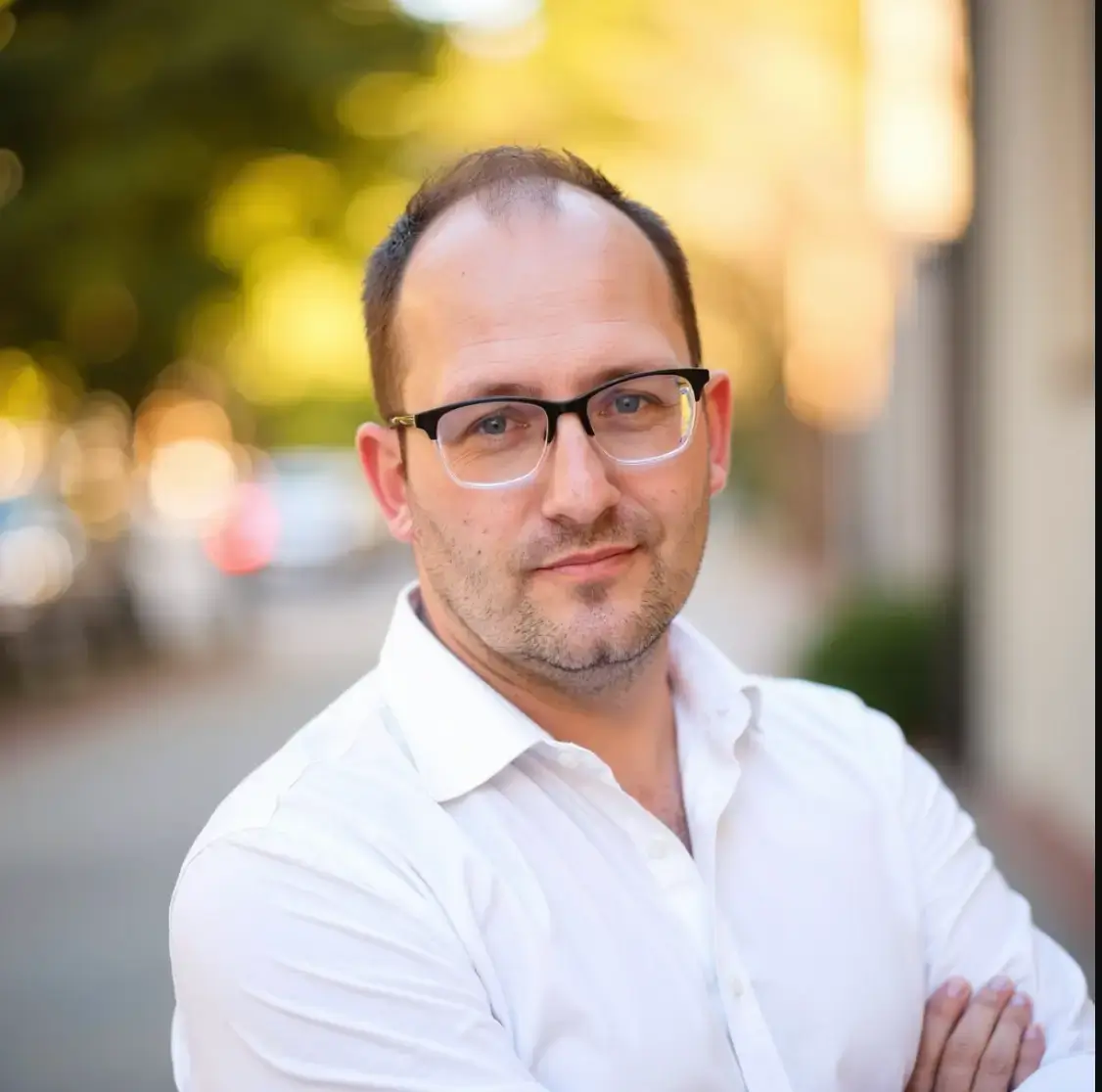
Q&A with Scott Benton
Question:
Why are you running for School Board Trustee, and what does success in this role look like to you?
Answer:
I’m running for School Board Trustee because public education is personal to me. As a third-generation product of Washoe County schools and a parent raising my children in the same system, I’ve seen both the strengths we should be proud of and the challenges we must confront. My professional career—serving vulnerable populations, leading large teams, and advocating for safe and healthy communities, has reinforced one belief: our schools are the foundation of everything. When our schools are strong, our entire community thrives.
I’m stepping forward because I believe we need leadership that prioritizes student safety, supports and retains strong educators, and ensures every student—regardless of background—has access to high-quality opportunities and outcomes. I’ve spent my career making complex systems work better for people, and I’m ready to bring that same accountability, transparency, and urgency to our school district.
To me, success in this role looks like measurable and meaningful progress. It means safer campuses where students and staff feel protected and supported. It means improved academic outcomes, especially in reading and math, with clear data showing growth across all student groups. It means teachers feel valued, heard, and equipped to succeed—leading to stronger retention and recruitment. And it means families trust the district because decisions are transparent, fiscally responsible, and centered on students.
Success also means collaboration. A strong trustee listens, to students, educators, families, and community partners—and uses those voices to guide thoughtful, student-centered decisions. It’s about building a culture where everyone feels invested in the success of our schools. At the end of the day, success isn’t about holding a title, it’s about leaving our school district better than we found it, with systems in place that continue to serve students long after our term is over.
Question:
What experience do you bring to this role, and how would you use your position to support improved student outcomes? How do you define student success?
Answer:
I bring a combination of real-world leadership, public service, and education-based experience that directly aligns with the responsibilities of a School Board Trustee. I’ve led large, complex organizations, including serving as a Shelter Director overseeing more than 130 staff, over 600 participants experiencing homelessness, and an $80+ million budget, where accountability, strategic planning, and measurable outcomes were critical. In my current role as a Program Manager supporting victims of domestic violence and sexual assault across Nevada, I work daily to remove barriers, coordinate systems, and ensure people receive the support they need to succeed.
In addition, I’ve spent over two decades working with students as a coach, mentor, and leader. That experience has given me a front-row seat to the realities students and educators face, from safety concerns to resource gaps to the importance of strong relationships and mentorship. I also bring governance experience as Chair of the Safe and Healthy Schools Commission and the Council on Family Resource Centers, where I’ve worked collaboratively to drive policy, improve systems, and center decisions around community needs.
As a trustee, I would use this experience to focus on outcomes, not just intentions. That means setting clear expectations for academic performance, particularly in reading and math, and ensuring we are using data to guide decisions and allocate resources effectively. I would prioritize student safety by advocating for strong policies, consistent enforcement, and investments in mental health and campus security. I would also focus on supporting and retaining high-quality educators, because we know student success starts with strong teachers in the classroom.
Improving student outcomes also requires partnership. I would work to strengthen relationships between schools, families, and community organizations so we are addressing the full scope of what students need to succeed, academically, socially, and emotionally. To me, student success is not one-size-fits-all. It means every student leaves our school system prepared for their chosen path—whether that’s college, a career, the military, or a trade. It means they are literate, critical thinkers, and equipped with real-world skills. It also means they feel safe, supported, and valued while they are in our schools.
Ultimately, student success is about outcomes and opportunity, ensuring every student, regardless of background, has the tools, support, and access they need to reach their full potential.
Question:
If elected, how would you approach disagreements or criticism from fellow board members, district leadership, students, or the community? How would you ensure productive and student-centered decision making?
Answer:
Disagreement comes with leadership—especially in a role that impacts an entire community. I approach it with professionalism, respect, and a commitment to the bigger picture. I don’t take criticism personally; I see it as an opportunity to listen, learn, and strengthen decisions. Whether it’s fellow board members, district leadership, students, or community members, everyone deserves to feel heard and respected—even when we don’t agree.
My approach is to start with listening and understanding the “why” behind someone’s perspective. From there, I focus on facts, data, and the impact on students. I’m comfortable having tough conversations, but I believe those conversations should always be grounded in mutual respect and a shared goal of doing what’s best for kids—not politics, not personalities.
If disagreements arise within the board, I will work collaboratively to find common ground and solutions. And when consensus isn’t possible, I will be transparent about my reasoning and stand firm in decisions that I believe are in the best interest of students.
To ensure productive, student-centered decision making, I will consistently ask a few key questions: How does this decision improve student outcomes? How does it impact student safety and well-being? Are we using data and evidence to guide this choice? Does this create equitable access and opportunity for all students?
I also believe in engaging those closest to the work—students, educators, and families—in the decision-making process. Their voices provide critical insight that should shape policy and direction.
At the end of the day, my responsibility is to the students, families and the community. Productive governance means staying focused on outcomes, maintaining transparency, and ensuring that every decision we make moves the district forward in a meaningful, measurable way.
Question:
Nevada’s school districts are experiencing declining enrollment, which directly impacts funding. How should the district adapt its use of resources, including staffing, facilities, and programs, to remain financially sustainable while still improving student outcomes?
Answer:
Declining enrollment is a real challenge, but it also creates an opportunity to be more strategic, efficient, and student-focused in how we use resources. The goal shouldn’t just be to cut, it should be to align our resources with what actually drives student success.
First, we have to right-size thoughtfully. That means evaluating staffing, facilities, and programs based on student need and outcomes—not across-the-board reductions. We should prioritize protecting classroom instruction, especially high-quality teachers, while looking for efficiencies in administrative structures and underutilized programs that are not producing results. With facilities, we need to take a hard look at utilization. If schools or buildings are significantly under-enrolled, we should consider consolidation or repurposing spaces for programs that better serve students—such as early childhood education, career and technical education (CTE), or community-based services. These decisions are difficult, but avoiding them only stretches resources thinner and impacts quality.
At the same time, we should be investing in programs that attract and retain students. Strong academic programs, safe and supportive school environments, and pathways like CTE, dual enrollment, and extracurricular activities make families want to stay in or return to the district. Enrollment decline isn’t just a budget issue, it’s also a signal about competitiveness and trust. From a staffing perspective, we should align positions with enrollment trends while also focusing on retention. Investing in teacher support, professional development, and working conditions reduces turnover costs and improves outcomes for students.
Most importantly, every decision must be tied to data and outcomes. We need to ask: Is this investment improving reading and math performance? Is it supporting student well-being? Is it preparing students for life after graduation? If the answer is no, we need to be willing to rethink it.
Finally, transparency and community engagement are key. These are not easy decisions, and they require honest conversations with families, staff, and stakeholders to build trust and ensure we are making choices that reflect our shared priorities. Financial sustainability and student success are not competing goals—if we are intentional, they can and should reinforce each other.
Question:
Given persistent gaps in academic achievement across student populations, what strategies should the district prioritize to ensure more students are on track to be college and career ready?
Answer:
Closing achievement gaps requires both urgency and focus. We have to be honest that not all students are experiencing the same level of success, and it’s our responsibility to ensure every student, regardless of background, has access to the support and opportunities they need to thrive.
First, we must prioritize strong early literacy and math foundations. If students are not reading proficiently by third grade or building solid math skills early, those gaps widen over time. That means investing in evidence-based instruction, early intervention, and consistent progress monitoring so we can respond quickly when students fall behind. Second, we need to use data intentionally, not just to identify gaps, but to act on them. Schools should have clear, measurable goals for student growth, and resources should be directed to the students and campuses with the greatest need. That includes targeted tutoring, extended learning time, and intervention programs that are proven to work. Third, we must invest in high-quality educators. Teacher effectiveness is the most important in-school factor impacting student success. Supporting teachers with professional development, coaching, and manageable class sizes, especially in high-need schools, is critical to closing gaps.
We also need to expand pathways to success. College and career readiness doesn’t look the same for every student. Strengthening Career and Technical Education (CTE), dual enrollment, and workforce partnerships ensures students graduate with real options—whether that’s college, a trade, or the military. Equally important is addressing the whole child. Students cannot succeed academically if they don’t feel safe, supported, or connected. Investing in mental health supports, school climate, and family engagement plays a direct role in improving outcomes.
Finally, accountability matters. We must be willing to measure progress, be transparent about results, and adjust strategies when something isn’t working. Closing achievement gaps isn’t about lowering expectations, it’s about raising support and ensuring every student has a real opportunity to succeed.
Question:
What distinguishes you from other candidates in this race, and what else should voters know about how you would serve as a School Board Trustee?
Answer:
I want to start by saying I respect anyone who steps up to serve our community, public service matters. What distinguishes me is the combination of lived experience, executive leadership, and direct, day-to-day work with students and families that I bring to this role.
I’ve led large, complex organizations, managing over 130 staff, over 600 daily shelter participants, and an $80+ million budget, where outcomes, accountability, and responsible use of public resources were not optional, they were expected. I currently oversee programs supporting some of the most vulnerable individuals in our state, which requires coordinating across systems, solving real problems in real time, and delivering measurable results.
At the same time, I bring more than two decades of hands-on experience working with students as a coach and mentor. I’ve seen firsthand what students need to succeed, what educators are up against, and where gaps in the system exist. I’m not approaching this role from theory alone, I’ve been in the schools, on the sidelines, and in the community. I also bring governance experience, having served in leadership roles focused on school safety and family support systems. That perspective matters, because being a trustee isn’t about managing day-to-day operations, it’s about setting vision, policy, and accountability while working collaboratively to move the district forward.
What voters should know about how I will serve is this: I will lead with transparency, accountability, and a relentless focus on students. I will ask tough questions, expect clear results, and ensure that decisions are driven by data and what is best for kids—not politics or special interests.
I will be accessible and engaged—listening to families, educators, and students, and making sure their voices are reflected in board decisions. And I will not shy away from difficult decisions if they are necessary to improve outcomes, strengthen safety, and build trust in our schools. At the end of the day, this role is about service. My commitment is simple: to leave our school district stronger, more accountable, and better positioned to serve every student.
