
CCSD School Board - District D
David Gomez
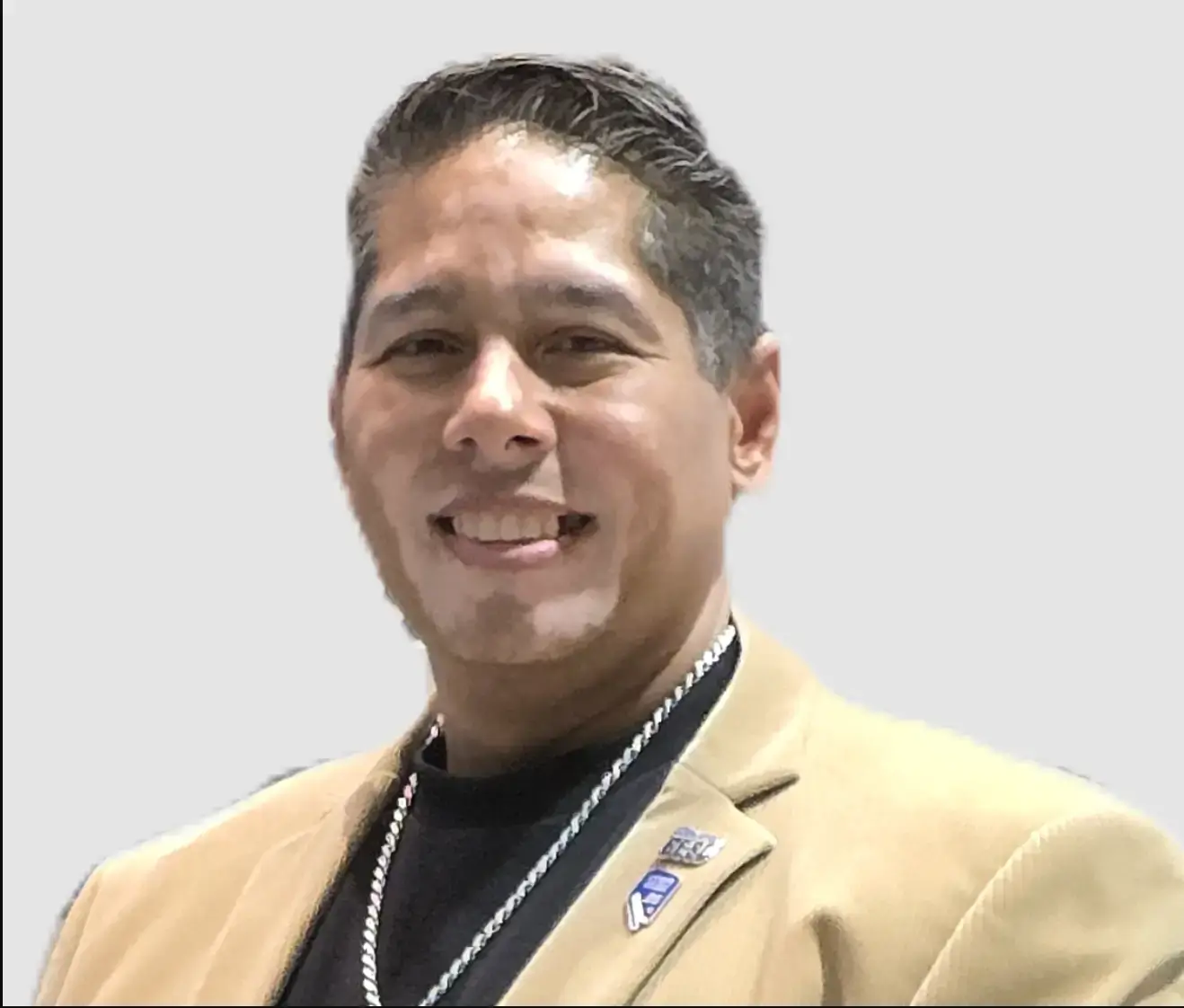
Q&A with David Gomez
Question:
Why are you running for School Board Trustee, and what does success in this role look like to you?
Answer:
I am running for School Board Trustee because our children deserve a school system that finally puts them first. For too long, families in our district have felt unheard, unsupported, and left without real accountability from the people who are supposed to represent them. After more than two decades serving this community in education, advocacy, and public service, I know the challenges our families face and I know how to fight for them.
My goal is simple: restore trust, transparency, and responsibility in our school district so every child, no matter their zip code or background, has access to a safe, high-quality education. I’m running because I believe education is the foundation of opportunity, and our students deserve leaders who treat it that way.
Question:
What experience do you bring to this role, and how would you use your position to support improved student outcomes? How do you define student success?
Answer:
I bring more than 26 years of hands-on service to students, parents, educators, and seniors in our community. My experience spans legal administrative advocacy, education support, community leadership, and direct problem solving for families who often have nowhere else to turn. I’ve worked alongside teachers, principals, and parents to address inequities, protect vulnerable families, and ensure students receive the support they deserve. I’ve also served 12 yrs in roles focused on school planning AZAC, and community impact, giving me a deep understanding of how district decisions affect classrooms, neighborhoods, and long-term student outcomes.
In this role, I would use my experience to bring transparency, accountability, and real follow through to the board. That means asking hard questions, ensuring budgets reflect student needs, and making sure families receive honest communication. It also means partnering with educators, supporting evidence‑based practices, and removing barriers that prevent students from learning in safe, stable environments.
To me, student success means:
- Students reading, writing, and performing at or above grade level.
- Safe, welcoming campuses where students feel supported and protected.
- Families engaged and informed, not left in the dark.
- Teachers equipped with the tools, training, and respect they need to help students grow.
- Schools that prepare students for real opportunities college, career, or skilled trades.
Student success is not measured by politics or public relations. It’s measured by whether every child regardless of zip code, income, or background has a fair chance to learn, thrive, and build a better future in CCSD.
Question:
If elected, how would you approach disagreements or criticism from fellow board members, district leadership, students, or the community? How would you ensure productive and student-centered decision making?
Answer:
I handle disagreements by staying respectful, listening carefully, and keeping the focus on students rather than personalities. Criticism is the real part of public service, and I treat it as useful feedback to learn.
To ensure productive, student-centered decisions, I rely on evidence, clear processes, and open communication. The goal is not to “win” debates it’s to make choices that genuinely support student learning and safety.
Question:
Nevada’s school districts are experiencing declining enrollment, which directly impacts funding. How should the district adapt its use of resources, including staffing, facilities, and programs, to remain financially sustainable while still improving student outcomes?
Answer:
Declining enrollment forces every district to rethink how it uses its resources, and ignoring the issue only makes the financial impact worse. The district needs to shift from reacting to enrollment drops to planning around them with clear, data driven strategies. That starts with understanding which schools are growing, which are shrinking, and why families are choosing other options like Charter Schools in our state.
From there, the district should align staffing, facilities, and programs with actual student needs not outdated practices with projections. That doesn’t mean cutting opportunities for students, it means investing in what works and “phasing out what doesn’t”. It also means making sure every dollar is tied to student outcomes, not administrative expansion.
Question:
Given persistent gaps in academic achievement across student populations, what strategies should the district prioritize to ensure more students are on track to be college and career ready?
Answer:
Persistent achievement gaps don’t close on their own they close when a district commits to doing things differently. The priority has to be building a system where every student has access to strong instruction, early intervention, and the support needed to stay on track. That requires a shift from reacting to low performance to preventing it through consistent, research-based practices.
- The district should focus on strategies that have a proven impact on college and career readiness:
- Strengthen early literacy and numeracy so students don’t fall behind in the first place.
- Expand targeted intervention for students who are below grade level, using real‑time data rather than waiting for annual test results.
- Invest in high‑quality teaching through coaching, professional development, and stable staffing.
- Increase access to career pathways such as “CTE programs”, dual credit, apprenticeships, and industry certifications in Union Trades and others.
- Support the whole student by addressing attendance especially “Chronicle Absenteeism”, mental health, and family engagement all of which directly affect academic performance.
College and career readiness isn’t just about test scores. It’s about whether students graduate with the skills, confidence, and opportunities to move into higher education, skilled trades, or the workforce. When the district prioritizes strong instruction, early support, and real pathways to opportunity, more students can succeed regardless of their background or zip code.
Question:
What distinguishes you from other candidates in this race, and what else should voters know about how you would serve as a School Board Trustee?
Answer:
What sets me apart in this race is the way I serve. My work has always been hands on, community driven, and rooted in solving real problems for real families. I don’t approach this role as a politician ever I approach it as someone who has spent years helping students, parents, educators, and seniors navigate systems that often feel overwhelming. That experience has taught me how to listen, how to advocate, and how to follow through.
I bring a record of service built on transparency, accountability, and direct engagement with the people most affected by district decisions. I understand the challenges families face because I’ve been in the room with them helping them access resources, resolve issues, and protect their rights. That perspective shapes how I lead and how I make decisions.
Voters should know that I will serve as a Trustee who is accessible, steady, and focused on outcomes. I will ask really hard questions, insist on clear communication with the constituents, and make sure every decision reflects what is best for students always. I believe in collaboration, but I also believe in standing firm when it comes to student safety, academic integrity, and responsible use of public funds.
This is my commitment, and it is simple:
I will show up always, I will always listen, and I will work every day to ensure our schools are places where students can learn, grow, and succeed.
That is the standard I hold myself to, and that is the kind of leadership I will bring to the board.
